

Kidney problems in cats often develop slowly and quietly, so the earliest signs (drinking more, urinating more, and gradual weight loss) are easy to miss. Your veterinarian confirms kidney changes with blood and urine tests, and long-term care usually combines a renal diet, hydration, monitoring, and nutritional support set by your vet. The sooner changes are picked up, the more comfortable daily life can be for your cat.
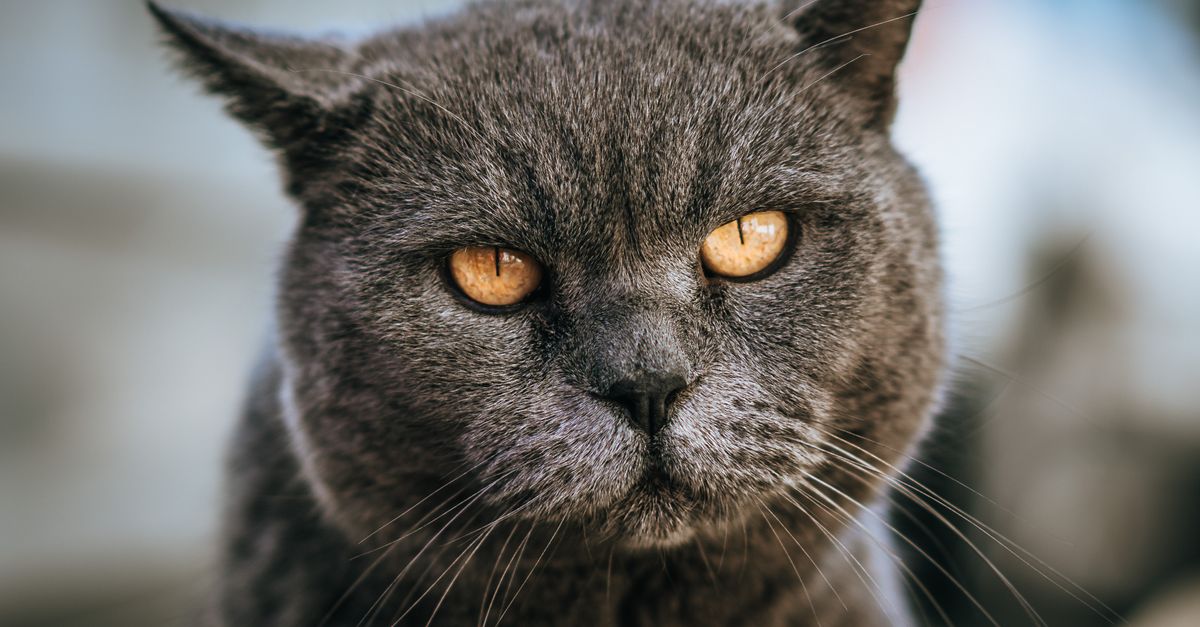
A cat resting comfortably at home.
What are kidney problems in cats?
Kidney problems in cats mean the kidneys are no longer filtering waste from the blood as well as they should. The kidneys balance water, minerals, and important salts, and they help control blood pressure, so when they struggle, waste products build up and your cat can feel unwell.
In cats, the most common pattern is chronic kidney disease, where function declines gradually over months or years. There is also acute kidney injury, which comes on suddenly, often from a toxin, a blockage, or an infection.
The term "cat kidney insufficiency" simply describes kidneys that are working below their full capacity. Whether the change is mild or advanced, your veterinarian is the right person to grade it and guide the plan.
What are the early signs of kidney problems in cats?
The earliest signs of kidney problems in cats are increased thirst and increased urination, often with gradual weight loss and a duller coat. These changes are subtle at first, which is why many owners only notice them once they have been going on for a while.
As kidney changes progress, cats may show reduced appetite, occasional vomiting, bad breath with a chemical smell, lethargy, and hiding more than usual. Some cats also become constipated because they are mildly dehydrated.
Because cats are experts at hiding illness, any combination of these signs is worth a conversation with your veterinarian. Early blood and urine testing gives you the clearest picture.
Early signs vs later signs in cats
| Stage | What you may notice in cats | What is usually happening |
| Early | Drinking more, urinating more, slight weight loss, duller coat | Kidneys losing some ability to concentrate urine |
| Progressing | Reduced appetite, occasional vomiting, lethargy, picky eating | Waste products rising in the blood |
| Advanced | Marked weight loss, bad breath, dehydration, weakness | Kidneys struggling to keep the body in balance |
This table is a general guide for cats, not a diagnosis. Only your veterinarian can tell you where your cat sits and what to do next.
What causes renal problems in cats?
Renal problems in cats have many causes, and in a lot of chronic cases the exact trigger is never pinned down. Age-related wear on the kidney tissue is one of the most common reasons older cats develop chronic kidney disease.
Other recognised contributors in cats include:
- High blood pressure, which puts extra strain on the kidneys
- Dental disease and chronic inflammation elsewhere in the body
- Previous episodes of dehydration or acute kidney injury
- Certain infections and inflammation of the kidney tissue
- Inherited conditions such as polycystic kidney disease in some breeds
- Exposure to toxins, including certain plants (lilies are especially dangerous to cats) and some human medicines
Lilies deserve a special mention for cat owners, because even small amounts of lily (leaves, petals, pollen, or vase water) can cause sudden, serious kidney injury in cats. Dogs are generally less sensitive to lilies than cats, but any suspected poisoning in either species is an emergency for your veterinarian.
If you are unsure what your cat may have eaten or been exposed to, contact your veterinarian straight away.
How do vets diagnose kidney problems in cats?
Veterinarians diagnose kidney problems in cats with blood tests and a urine test, often alongside blood pressure measurement. Blood work looks at waste markers and minerals, while the urine test shows how well the kidneys are concentrating urine and whether protein is being lost.
Common parts of a kidney work-up for cats include:
- A blood panel to check waste products, phosphorus, potassium, and related values.
- A urine test to measure concentration and check for protein or infection.
- Blood pressure measurement, since high blood pressure is common with kidney disease.
- Imaging such as ultrasound when the vet needs to see the kidney structure.
These tests also help your veterinarian decide whether the problem is chronic or a more sudden acute kidney injury, which changes the plan. For a deeper look at how advanced disease is managed, this pet parent's guide to kidney failure in cats is a helpful companion read.
Your veterinarian will repeat some of these tests over time to track trends, because a single result is only a snapshot.
How are cats and kidney disease managed long-term?
Cats and kidney disease are usually managed with a combination of diet, hydration, monitoring, and support that your veterinarian tailors to your individual cat. There is no single step that does everything, which is why most plans layer several gentle measures together.
The core pillars of long-term kidney care in cats are:
- A veterinary renal diet, which is adjusted in phosphorus and protein quality
- Encouraging water intake to support hydration
- Managing blood pressure if your vet finds it is raised
- Controlling phosphorus levels in the blood
- Regular rechecks so the plan can be adjusted as things change
Each of these belongs within a plan your veterinarian sets and reviews. The goal is to keep your cat eating, drinking, and feeling as comfortable as possible for as long as possible.
Why diet and phosphorus matter in cats
Controlling phosphorus is one of the most important parts of managing kidney disease in cats, because excess phosphorus in the blood can make cats feel worse and adds strain to the kidneys. A veterinary renal diet is lower in phosphorus and uses carefully chosen protein, which is why vets so often recommend it as the foundation.
Some cats need extra help keeping phosphorus in range even on a renal diet. That is where a phosphate binder can play a role, always under veterinary guidance.
How can I support my cat's kidney health at home?
You can support your cat's kidney health at home by keeping fresh water available, feeding the diet your vet recommends, reducing stress, and keeping every scheduled recheck. Small, consistent daily habits often make the biggest difference to how a cat with kidney changes feels.
Practical steps that help many cats include:
- Offer several clean water sources, and consider a pet water fountain, since many cats prefer moving water.
- Include wet food if your vet agrees, because it adds moisture to the diet.
- Keep litter trays clean and easy to reach, especially for senior cats.
- Weigh your cat regularly and note appetite and energy in a simple diary.
- Keep lilies and other known toxins completely out of the home.
Dehydration quietly makes kidney problems feel worse, so watch for signs like tacky gums and reduced skin elasticity. Our overview of dehydration in pets and how to spot it is written with dogs in mind, but the warning signs and the message to act early apply to cats too.
Always run any home routine past your veterinarian, so it fits your cat's stage and other health needs.
How does KidneyRx support kidney health in cats?
KidneyRx is daily nutritional support for kidney health in cats and dogs, designed to complement a veterinary renal diet as part of long-term care with your veterinarian. It contains calcium carbonate, which acts as a phosphate binder to help manage phosphorus as part of your vet's plan.
KidneyRx supports kidney function rather than replacing any part of your veterinarian's care. It is meant to work alongside the renal diet, hydration, and monitoring your vet has already set, not instead of them.
Because phosphorus control matters so much in feline kidney care, a binder like the one in KidneyRx can be a useful piece of the bigger picture. You can read more in this explainer on why KidneyRx is a good fit for cats and dogs and in this overview of KidneyRx and how it supports kidney health.
For dosing, timing, and whether KidneyRx suits your individual cat, follow the pack label or your veterinarian's directions. Your veterinarian remains the right person to decide if and how it fits your cat's plan.
When should I take my cat to the vet about kidney problems?
Take your cat to the vet whenever you notice ongoing increased thirst, increased urination, weight loss, reduced appetite, or vomiting, and urgently if your cat suddenly stops eating, stops urinating, or seems weak. Sudden changes can signal acute kidney injury, which is an emergency in cats.
For senior cats, many veterinarians suggest routine blood and urine screening even when your cat seems well, because this can catch kidney changes early. Early detection gives you more options and more time to adjust the plan gently.
When in doubt, call your veterinary clinic and describe what you are seeing. They can tell you whether to monitor at home or come in.
FAQ
Can kidney problems in cats be reversed?
Chronic kidney disease in cats is generally a long-term condition that is managed rather than undone, so the focus is on supporting kidney function and keeping your cat comfortable. Acute kidney injury sometimes responds differently depending on the cause, so your veterinarian is the only one who can assess your cat's situation.
What do cats with kidney problems typically drink and eat?
Cats with kidney problems often drink more water than usual and may become fussy about food as the condition progresses. Most veterinarians recommend a veterinary renal diet and encourage moisture through wet food and fresh water, but the right diet for your cat should always be confirmed by your vet.
Is KidneyRx a replacement for a renal diet in cats?
No, KidneyRx is designed to complement a veterinary renal diet, not replace it, and it provides daily nutritional support for kidney health as part of your vet's long-term plan. Talk to your veterinarian about how it fits alongside your cat's diet and monitoring.
At what age do kidney problems appear in cats?
Kidney problems become more common in middle-aged and senior cats, though they can occur earlier, especially with inherited conditions or after a toxin exposure. Regular screening for older cats helps your veterinarian spot changes early.
Are kidney problems the same in cats and dogs?
Cats and dogs can both develop kidney problems, but cats are especially prone to chronic kidney disease as they age and are far more sensitive to certain toxins such as lilies. The general principles of diet, hydration, and monitoring apply to both species, while the specifics should always come from your veterinarian.
If your cat has just been diagnosed, or you simply want to understand kidney support better, you do not have to navigate it alone. Learn more about the available support options and reach out to talk things through with the team at RX Sciences, and keep your own veterinarian at the centre of every decision for your cat.


