Key takeaway: High blood pressure (hypertension) is a common and serious complication of kidney disease in cats, and it can appear without any obvious warning. Because untreated hypertension can harm the eyes, brain, heart and kidneys, your veterinarian will usually check your cat's blood pressure as part of routine kidney care. Spotting it early and managing it with your vet is the goal, because feline kidney disease is managed, not cured.
If your cat has been diagnosed with chronic kidney disease, you may already be learning a lot of new words. Blood pressure is one worth understanding, because it quietly links to so much of how your cat feels.
This article explains what hypertension is, why it goes hand in hand with feline kidney disease, the signs to watch for at home, and how your veterinarian monitors it over time.
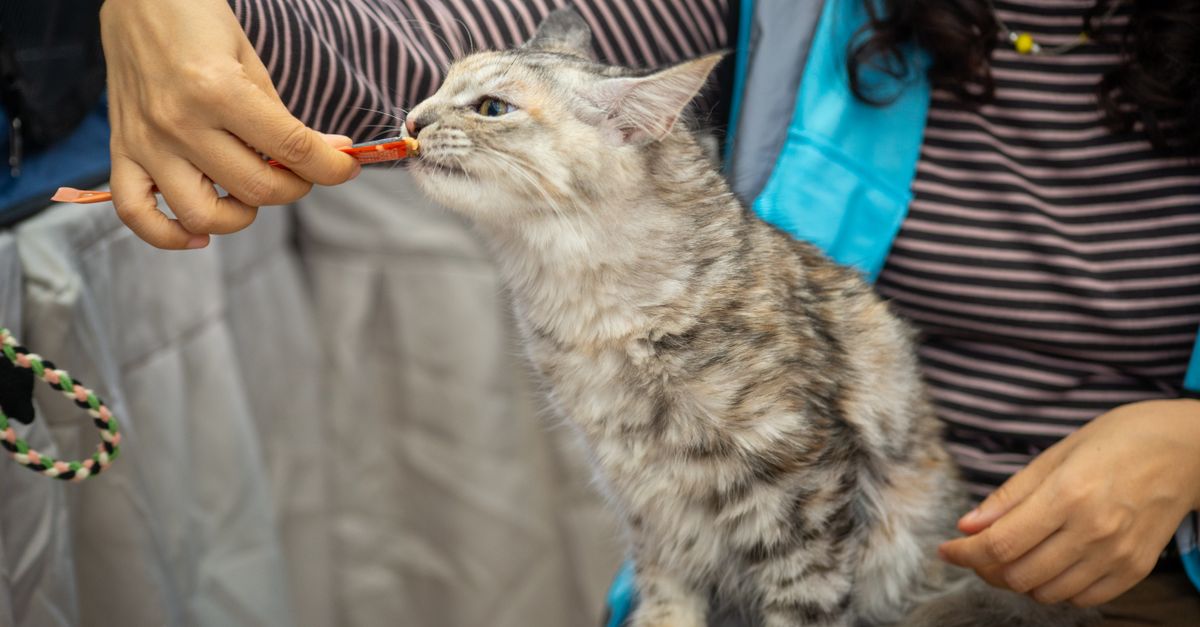
A cat resting comfortably at home.
Why does kidney disease in cats cause high blood pressure?
Kidney disease in cats often leads to high blood pressure because the kidneys help regulate fluid balance, salt, and the hormones that control blood vessel tone. When the kidneys are damaged, that regulation drifts, and blood pressure can climb.
The kidneys and blood pressure work in a two-way loop. Damaged kidneys can push blood pressure up, and high blood pressure can, in turn, place more strain on already struggling kidneys.
This is why hypertension in cats is so closely tied to chronic kidney disease. It is one of the most frequent complications veterinarians look for in a cat with reduced kidney function.
This point applies mainly to cats. Dogs can develop high blood pressure too, but the strong link between kidney disease and hypertension is especially well recognised in cats.
To understand how vets group the stages of kidney change, you may find our guide to IRIS staging in cats helpful.
What are the signs of high blood pressure in cats?
The signs of high blood pressure in cats are often subtle or invisible until damage has already occurred, which is why it is sometimes called a silent problem. Sudden blindness, cloudy or bloodshot eyes, dilated pupils, disorientation, or behaviour changes can all be red flags.
Many cats show no outward signs at all in the early phase. The first thing an owner notices can be dramatic, such as a cat bumping into furniture because its sight has suddenly changed.
Here are signs that may be linked to hypertension in cats:
- Sudden loss of vision or bumping into things
- Eyes that look cloudy, red, or have very wide pupils
- Disorientation, restlessness, or pacing
- Seizures or unusual neurological episodes
- Nosebleeds
- Changes in activity or hiding more than usual
These signs can overlap with other conditions, so they are not proof of high blood pressure on their own. They are a reason to call your veterinarian promptly.
If your cat is already showing broader kidney signs such as increased drinking and urinating, our article on kidney problems in cats walks through what to watch for.
How do vets monitor blood pressure in cats with kidney disease?
Veterinarians monitor blood pressure in cats using a special inflatable cuff placed on a leg or the tail, much like the method used in people. They take several readings in a quiet setting to get an accurate average, because a nervous cat can show falsely high numbers.
The most common method uses a Doppler or an oscillometric device. The cuff gently inflates, and the vet or nurse records the pressure across repeated measurements.
To reduce stress, the clinic will often let your cat settle first, keep the room calm, and sometimes let you stay nearby. A calm cat gives a more reliable reading.
Blood pressure monitoring in cats is usually paired with other checks. Your veterinarian may examine the back of the eyes for signs of damage and run blood and urine tests to track kidney function at the same time.
What the vet may check at each visit
| Check | What it looks at | Why it matters |
| Blood pressure (cuff) | Pressure in the blood vessels | Detects hypertension that often has no outward signs |
| Eye exam | Retina and vessels at the back of the eye | Spots early damage before vision is lost |
| Blood tests | Kidney values and related markers | Tracks how kidney function is changing over time |
| Urine tests | Protein loss and concentration | Adds detail about kidney workload and health |
Your veterinarian decides how often these checks are needed based on your individual cat. Always follow the monitoring schedule your vet sets.
Why does high blood pressure matter so much in feline kidney disease?
High blood pressure matters because, left unmanaged, it can damage several organs at once: the eyes, the brain, the heart, and the kidneys themselves. In cats, sudden blindness from retinal damage is one of the most heartbreaking and preventable outcomes.
The eyes are especially vulnerable. Very high pressure can cause bleeding or detachment at the back of the eye, leading to a sudden and sometimes permanent loss of vision.
The brain and heart are also at risk. Persistent hypertension can contribute to neurological signs and can add strain to the heart muscle over time.
For the kidneys, high blood pressure adds to the workload of an organ that is already under pressure from chronic kidney disease. This is why managing blood pressure is such an important part of overall kidney care in cats.
Because these organs are connected, your veterinarian looks at the whole picture rather than one number in isolation. Treatment decisions, including any blood pressure medicine, belong with your veterinarian.
How is high blood pressure in cats managed?
High blood pressure in cats is managed by a veterinarian, usually with prescription medication chosen for your individual cat, alongside careful management of the underlying kidney disease. Feline kidney disease and the hypertension that comes with it are managed, not cured, so the aim is steady, long-term control.
Your veterinarian may prescribe a blood pressure medicine and then recheck readings to find the right fit for your cat. These are prescription decisions, so they are made only by your vet, never adjusted at home without guidance.
Alongside medicine, your vet will often focus on the kidneys themselves. A veterinary renal diet is a cornerstone of long-term care, and lifestyle calm matters too, since stress can nudge blood pressure up.
For practical day-to-day routines, our guide to managing feline kidney disease at home offers gentle, realistic tips.
Where nutritional support fits in
KidneyRx is daily nutritional support for kidney health in cats and dogs, designed to complement a veterinary renal diet as part of long-term care with your veterinarian. It contains calcium carbonate, which acts as a phosphate binder.
KidneyRx supports kidney function. It does not treat, cure, reverse or stop kidney disease or high blood pressure, and it is not a blood pressure medicine.
Think of it as one supportive piece of a plan your veterinarian builds, not a replacement for monitoring or prescribed medication. You can read more in our overview of KidneyRx for cats and dogs.
For dose and directions, always follow the pack label or your veterinarian's directions. Your vet will confirm whether KidneyRx fits alongside your cat's renal diet and other care.
How does high blood pressure differ early vs late in cats?
Early on, high blood pressure in cats usually has no visible signs and is found only through routine monitoring, while in later or severe cases it can cause sudden, dramatic problems such as blindness or neurological episodes. This is exactly why vets check blood pressure before symptoms appear.
| Stage | What you might notice | How it is usually found |
| Early | Often nothing at all | Routine blood pressure checks at the clinic |
| Moderate | Subtle behaviour or activity changes | Monitoring plus eye and blood tests |
| Severe | Sudden blindness, disorientation, seizures | Often noticed at home, then confirmed by the vet |
The lesson from this comparison is simple: waiting for signs is risky. Regular monitoring gives your veterinarian the chance to act before serious damage occurs.
This pattern applies to cats in particular. If you also share your home with a dog that has a heart murmur or heart concern, our article on heart murmurs in cats covers a related area of circulatory health.
What can cat owners do at home?
At home, the most valuable things you can do are keep your cat's monitoring appointments, watch for sudden changes in vision or behaviour, and follow the care plan your veterinarian sets. You cannot measure or manage blood pressure alone, but you are the early warning system.
Here is a simple routine many owners find helpful:
- Keep every blood pressure and kidney recheck your vet schedules.
- Watch your cat's eyes and movement, and call your vet about any sudden change.
- Feed the veterinary renal diet your vet recommends, consistently.
- Give any prescribed medicine and any supportive products exactly as directed.
- Keep the home calm, with easy access to water, litter and quiet resting spots.
Small daily consistency adds up. A settled routine supports both your cat's comfort and the accuracy of future readings at the clinic.
Above all, keep your veterinarian at the centre of decisions. They can connect the dots between blood pressure, kidney values and your cat's overall wellbeing.
FAQ
Can high blood pressure in cats with kidney disease be managed?
Yes. High blood pressure in cats is typically managed by a veterinarian with prescription medication and ongoing monitoring, alongside care of the underlying kidney disease. It is managed, not cured, so the aim is steady long-term control.
How do vets check a cat's blood pressure?
Veterinarians use an inflatable cuff on a leg or the tail with a Doppler or oscillometric device, taking several readings in a calm setting to find an accurate average. They often check the eyes and run blood and urine tests at the same visit.
Can high blood pressure make a cat go blind?
Yes, very high blood pressure can damage the back of the eye and cause sudden, sometimes permanent vision loss in cats. This is one of the main reasons vets monitor blood pressure in cats with kidney disease, so call your veterinarian right away if your cat's sight seems to change.
Does KidneyRx lower blood pressure in cats?
No. KidneyRx is daily nutritional support for kidney health in cats and dogs and is not a blood pressure medicine. It contains calcium carbonate as a phosphate binder and is designed to complement a veterinary renal diet, so talk to your veterinarian about how it fits your cat's plan.
How often should my cat's blood pressure be checked?
The right frequency depends on your individual cat and the stage of kidney disease, so your veterinarian will set the schedule. Keeping every recommended recheck is one of the most important things you can do at home.
If your cat has been diagnosed with kidney disease, you are not navigating it alone. Learn more about supportive care options and find answers to your questions when you explore kidney support with the RX Sciences team, then bring those ideas to your own veterinarian, who can tailor the right plan for your cat.