

The liver plays a vital role in a dog’s overall health, supporting digestion, metabolism, detoxification, and immune function. When the liver becomes damaged or diseased, it can affect a dog’s quality of life. Fortunately, liver disease can often be managed with proper treatment, diet, and supportive care. This guide covers the best approaches for treating and managing liver disease in dogs, from medications to specialized diets.

How to Treat Dog Liver Disease?
Treating liver disease in dogs requires a comprehensive approach tailored to the underlying cause, severity, and symptoms. Early intervention and consistent veterinary care are crucial for improving liver function and preventing complications. Below are the primary treatment strategies:
1. Identifying & Addressing the Underlying Cause
Before starting treatment, veterinarians will conduct blood tests, ultrasounds, and biopsies to determine the root cause of liver disease. Some common causes include infections, toxins, genetic conditions, and tumors. Treating the primary issue, whether it’s removing toxins, treating infections, or addressing metabolic disorders, is the first step in managing liver disease effectively.
2. Medications for Liver Support & Symptom Management
Veterinarians often prescribe medications to manage symptoms and support liver function:
- SAMe (S-Adenosylmethionine) & Milk Thistle (Silymarin): Powerful antioxidants that help detoxify the liver, reduce oxidative stress, and support cell regeneration.
- Ursodiol: A bile acid that enhances bile flow and reduces liver inflammation.
- Lactulose: Helps prevent the buildup of toxins, particularly in cases of hepatic encephalopathy.
- Antibiotics: Used to treat infections that contribute to liver disease.
- Corticosteroids: These are sometimes prescribed for immune-mediated liver conditions to reduce inflammation.
- Diuretics: In cases of liver failure leading to fluid buildup, diuretics help reduce swelling and improve comfort.
Each medication is prescribed based on the dog’s specific condition, and long-term medication management may be required for chronic liver disease.
3. Dietary Changes to Support Liver Function
A specialized liver-friendly diet is essential to reducing strain on the liver and supporting recovery:
- Moderate & High-Quality Protein: In controlled amounts, lean animal proteins like chicken, fish, and eggs help maintain muscle mass without overloading the liver.
- Low-Copper Foods: Dogs with liver disease should avoid copper-rich foods like organ meats, as excess copper accumulation worsens liver conditions.
- Healthy Carbohydrates: Whole grains, sweet potatoes, and brown rice provide energy while being easy to digest.
- Omega-3 Fatty Acids: Found in fish oil, these reduce inflammation and support overall liver health.
- B Vitamins & Antioxidants: Essential for liver detoxification and repair, found in foods like carrots, pumpkin, and blueberries.
A veterinarian or canine nutritionist can help formulate a diet that meets the dog’s nutritional needs while supporting liver function.
Read Also: Dog Liver Disease & Symptoms: A Complete Guide for Dog Owners
4. Hydration & Detoxification Therapy
In cases where liver disease leads to dehydration or toxin buildup, IV fluid therapy may be needed to:
- Rehydrate the body and maintain electrolyte balance.
- Flush out toxins and reduce ammonia levels that may cause neurological symptoms.
- Provide immediate nutritional support if the dog has stopped eating.
- For severe cases, hospitalization may be required for intravenous fluids and intensive care.
5. Lifestyle & Environmental Modifications
To prevent additional liver stress, it’s important to:
- Avoid toxins and chemicals: Keep your dog away from household cleaners, pesticides, and certain medications that may harm the liver.
- Limit strenuous activity: While mild exercise is beneficial, overexertion can worsen symptoms in dogs with compromised liver function.
- Regular veterinary checkups: Routine blood tests help track liver enzyme levels and detect any worsening of the condition early.
By implementing these treatments and lifestyle modifications, dogs with liver disease can maintain a good quality of life and, in many cases, experience significant improvement.
Recommended Dog Food for Liver Disease
Several commercial dog foods are specially formulated to support liver health. These include:
1. Royal Canin Hepatic Dog Food
Features low copper levels, high energy from fat, and antioxidants to combat liver inflammation.
2. Hill’s Prescription Diet l/d
Designed to reduce liver workload and promote healing.
3. Purina Pro Plan Veterinary Diets – Liver Support
Contains limited copper and high-quality protein sources.
4. Homemade Liver Diets
Some owners prefer home-cooked meals using vet-approved recipes that meet liver-friendly dietary requirements.
Always work with a veterinarian before switching to a liver diet.
Read Also: Causes & Specific Liver Conditions in Dogs
Liver-Friendly Treats for Dogs
Dogs with liver disease can still enjoy treats, but they must be carefully chosen. Safe options include:
- Low-Protein, Low-Copper Treats: Such as rice cakes, oatmeal biscuits, or sweet potato chews.
- Homemade Liver-Safe Treats: Recipes using pumpkin, carrots, or limited lean meats.
- Prescription Liver Treats: Some brands offer specialized treats for dogs with liver conditions.
Avoid high-fat, high-protein, or processed treats, as these can worsen liver disease symptoms.
LiverRx™: Natural Support for Canine Liver Health!
Managing liver disease in dogs requires a combination of proper medication, a specialized diet, and supportive supplements. With early intervention and the right treatment plan, many dogs with liver problems can live long, happy lives.
If your dog has been diagnosed with liver disease, talk to your veterinarian about the best management approach, including dietary changes and liver-supporting supplements like LiverRx™.
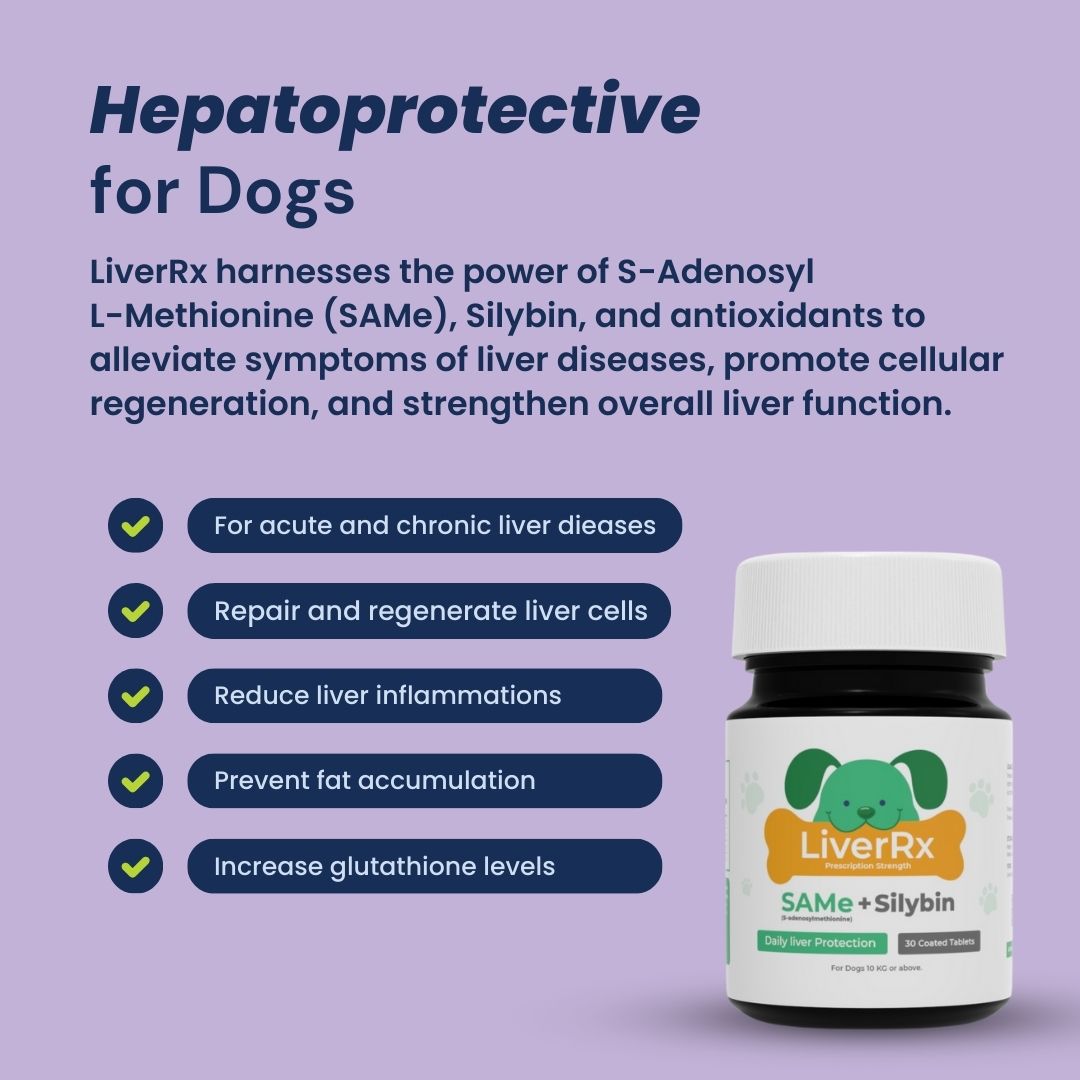
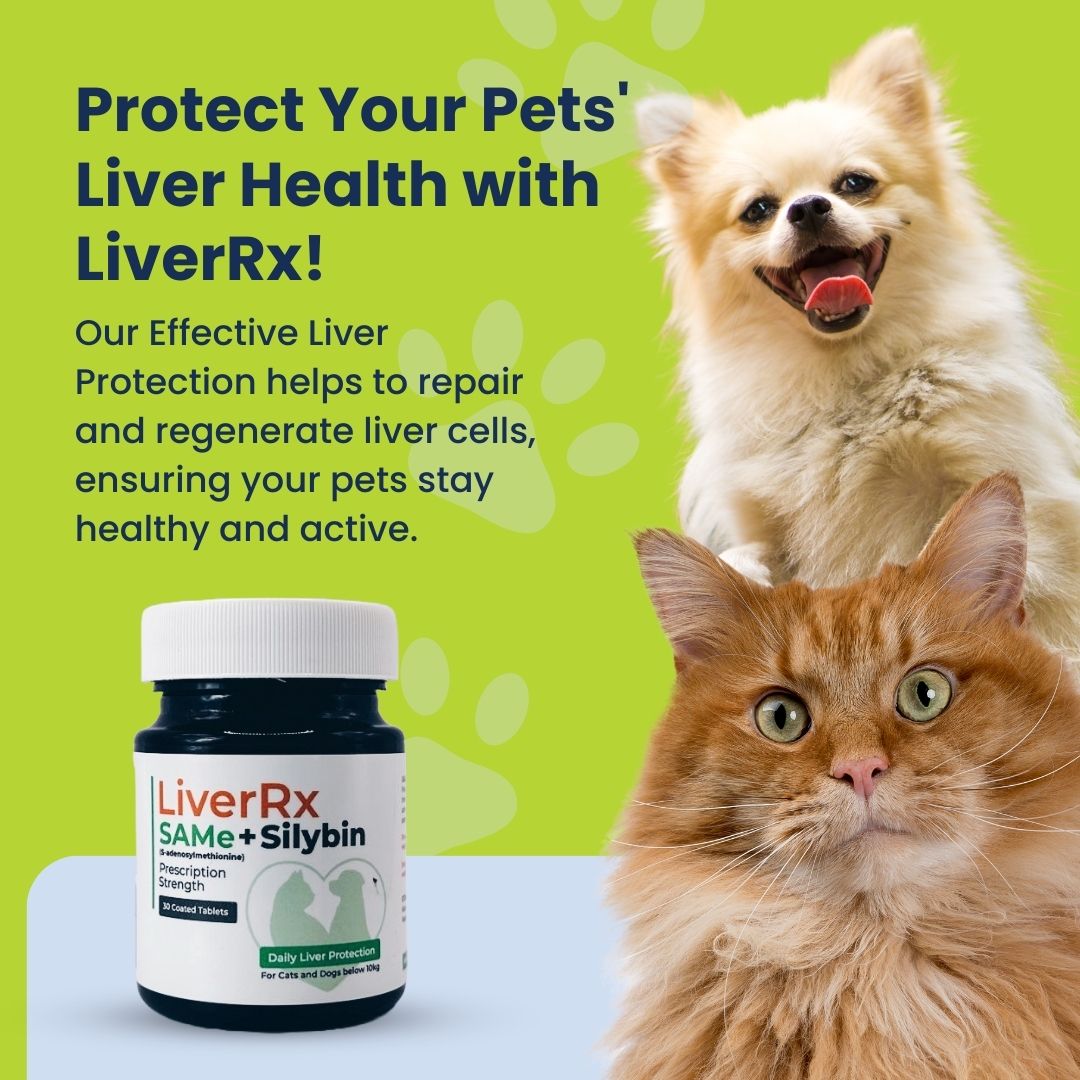
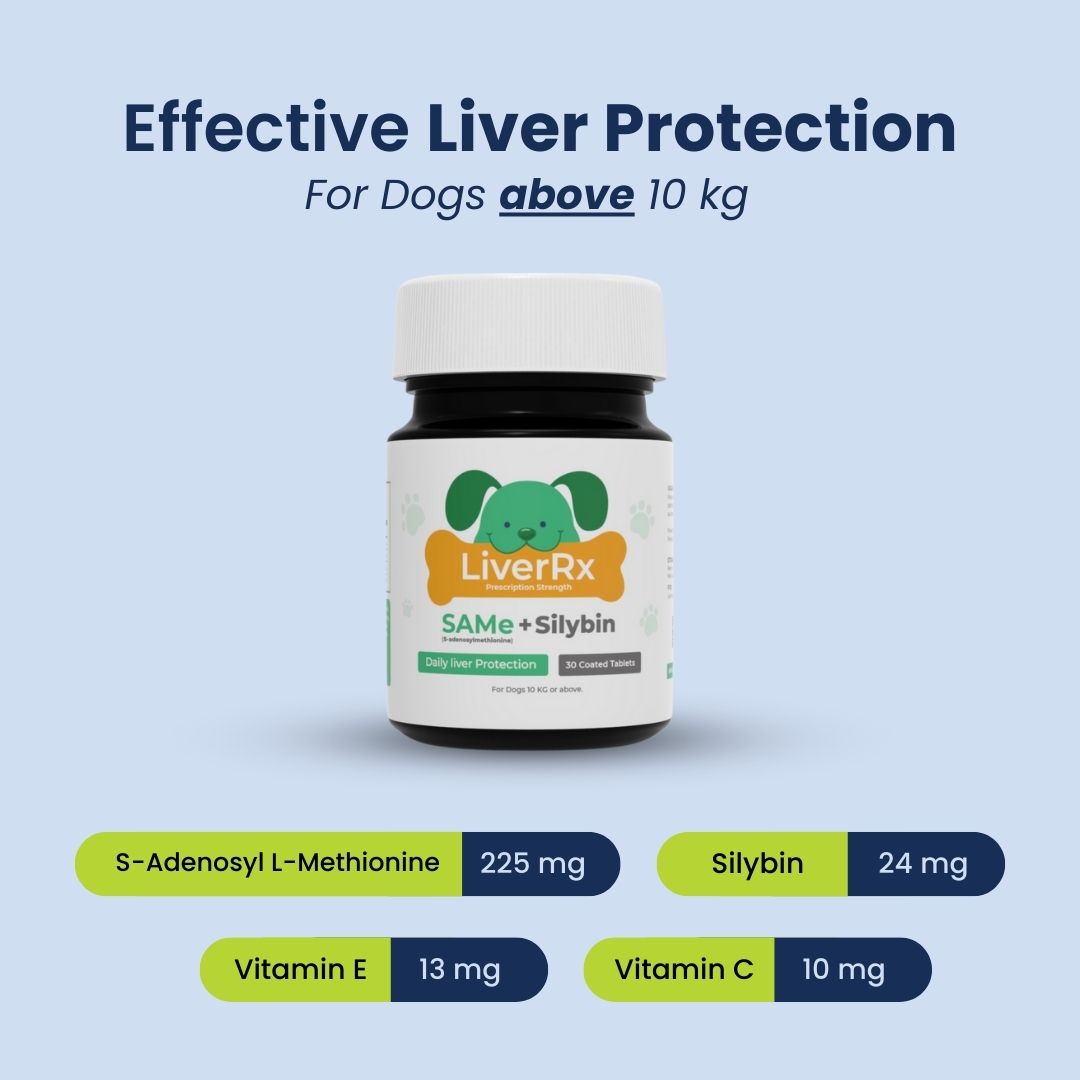
For dogs with liver disease, LiverRx™ offers natural support to promote liver health. This premium supplement is formulated with:
- Milk Thistle & SAMe: Powerful ingredients aiding liver detoxification and repair.
- Omega-3 Fatty Acids: These help reduce inflammation and support overall liver function.
- Essential Vitamins & Antioxidants: Support the immune system and protect liver cells.
LiverRx™ is an excellent addition to a comprehensive liver care plan. Always consult a veterinarian before introducing supplements to your dog’s diet.