

Feline kidney disease is managed, not cured, and most of that management happens at home between vet appointments. Your daily job is to keep your cat hydrated, feed the diet your veterinarian recommends, watch for small changes, and keep every scheduled check-up. With a steady home routine and your vet's care plan, many cats with chronic kidney disease live comfortably for a long time.
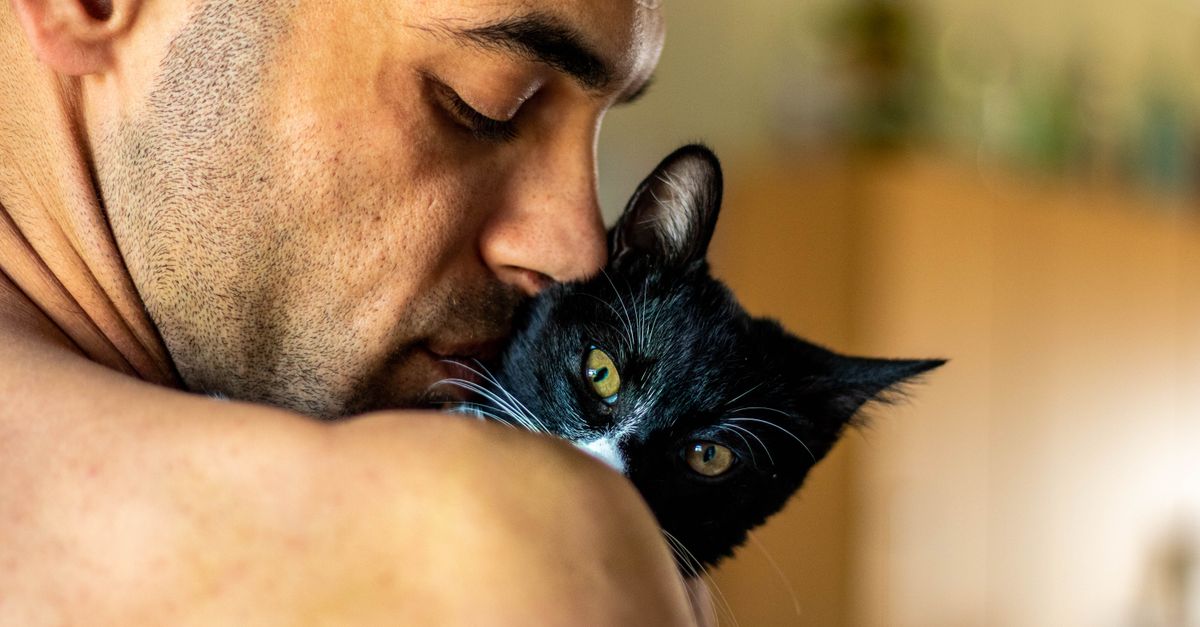
A cat resting comfortably at home.
What is feline kidney disease?
Feline kidney disease is a condition where a cat's kidneys gradually lose their ability to filter waste and balance fluids and minerals. The most common form in cats is chronic kidney disease (CKD), which develops slowly over months and years and is managed, not cured.
The kidneys do many quiet jobs. They remove waste products from the blood, control hydration, balance minerals like phosphorus, and help manage blood pressure.
When kidney function drops, waste builds up and cats start to feel unwell. This is why so much of the day-to-day care focuses on supporting the body and easing the workload on the kidneys.
Kidney problems affect both cats and dogs, but CKD is especially common in older cats. If you want a fuller overview of causes and signs, our guide to kidney problems in cats walks through the basics.
Always talk to your veterinarian about your cat's specific stage and plan.
How do I know if my cat's kidney disease is getting worse at home?
You can watch for changes in drinking, urination, appetite, weight and energy, because these everyday signs often shift before a blood test is due. Keeping a simple log of what you notice helps your veterinarian spot trends early.
Common things to watch in cats with renal disease include:
- Drinking more water than usual, or visiting the water bowl more often
- Larger or more frequent clumps in the litter box
- Eating less, or walking up to food and turning away
- Gradual weight loss or a bonier feel along the spine
- More sleeping, less grooming, or a dull coat
- Occasional vomiting or bad breath
None of these signs confirm anything on their own. They are prompts to call your vet, not reasons to panic.
Write the date next to anything new. A short note on your phone is enough, and it turns a vague worry into useful information your veterinarian can act on.
If signs change quickly, such as your cat suddenly refusing food or water, contact your veterinarian promptly.
How can I keep my cat with kidney disease hydrated?
You keep a cat with kidney disease hydrated by making water easy, appealing and available in several places, because cats with CKD lose more fluid than healthy cats. Good hydration is one of the most powerful everyday tools you have at home.
Try these practical steps for cats:
- Offer more than one water bowl around the home, away from the litter box and food.
- Use wide, shallow bowls so whiskers do not touch the sides.
- Add a pet water fountain, since many cats prefer moving water.
- Offer wet food, which carries far more moisture than dry food.
- Refresh water at least once a day so it always tastes clean.
Some cats need extra fluids given under the skin at home. This is a decision only your veterinarian can make and teach you, so never start it on your own.
If your cat seems less interested in water despite your efforts, let your veterinarian know.
What is the best diet for a cat with chronic kidney disease?
The best diet for most cats with chronic kidney disease is a veterinary renal diet, which is lower in phosphorus and has carefully adjusted protein to ease the kidneys' workload. Your veterinarian chooses the right formula for your cat's stage and appetite.
Diet is one of the main pillars of kidney care in cats. The goal is to reduce the waste the kidneys must process while still giving your cat enough calories to hold a healthy weight.
Moving a cat onto a new diet takes patience. Cats are famously fussy, and a cat that feels unwell can be fussier still.
How do I transition my cat to a renal diet?
Transition slowly over one to two weeks by mixing a small amount of the new food into the current food and gradually shifting the ratio. A slow change gives a cautious cat time to accept new flavours and textures.
- Start with a small portion of renal diet mixed into the familiar food.
- Increase the renal diet portion gradually across several days.
- Warm wet food slightly to lift the aroma and tempt appetite.
- Keep mealtimes calm and in a quiet spot.
- If your cat refuses to eat for more than a day, call your veterinarian.
A cat that is not eating at all needs veterinary attention, because going without food is risky for cats.
Your veterinarian can tailor the diet and troubleshoot appetite problems with you.
Where does KidneyRx fit into cat kidney care at home?
KidneyRx is daily nutritional support that complements a veterinary renal diet and supports kidney function as part of long-term care with your veterinarian. It contains calcium carbonate, which acts as a phosphate binder, for cats and dogs.
Controlling phosphorus matters in feline kidney disease because damaged kidneys struggle to clear it, and a renal diet alone may not always be enough. A phosphate binder works alongside the diet to help manage the phosphorus your cat takes in.
KidneyRx is designed to sit within your vet's plan, not to replace it. It supports kidney function and complements the renal diet rather than treating or reversing the disease.
To understand how this support works, you can read how KidneyRx supports kidney health in cats and dogs and why KidneyRx is ideal for cats and dogs.
For dosing, always follow the pack label or your veterinarian's directions, as the right amount depends on your individual cat. Ask your veterinarian whether KidneyRx fits your cat's care plan.
How often should my cat with kidney disease see the vet?
Most cats with chronic kidney disease need regular recheck visits, and your veterinarian sets the schedule based on your cat's stage and stability. Between visits, your home monitoring fills in the picture your vet cannot see day to day.
Your veterinarian will usually confirm and track kidney changes with blood and urine tests, along with blood pressure checks. These numbers guide any adjustments to diet, fluids or medicines.
Here is a simple view of home care versus vet care, so you know which job belongs where:
| Where | What happens | Who leads |
| At home | Hydration, feeding the renal diet, daily observation, giving support as directed | You, following the plan |
| At the vet | Blood and urine tests, blood pressure, weight checks, plan adjustments | Your veterinarian |
| Together | Reviewing your home log, setting the next recheck, troubleshooting appetite | You and your vet |
Bring your notes to every appointment. Your observations about appetite, drinking and energy are real data that help your veterinarian fine-tune the plan.
Never change the diet, fluids or any medicine on your own. Adjustments belong with your veterinarian.
What does daily life look like for a cat with kidney disease?
Daily life for a cat with kidney disease settles into a gentle, predictable routine built around food, water, rest and quiet observation. Most cats cope well when the home feels calm and their needs are easy to meet.
Small comforts make a real difference for senior cats and cats with CKD:
- Place food, water and litter boxes on the same floor your cat rests on, to save tiring trips.
- Use litter boxes with a low side so stiff joints can step in easily.
- Keep warm, soft resting spots in quiet corners.
- Keep routines steady, since predictability lowers stress for cats.
- Spend calm time together, because gentle attention helps you notice subtle changes.
Many cats with kidney disease are also seniors living with more than one condition. If your cat is navigating several issues at once, our piece on supporting recovery from chronic disease with supplements covers principles that also help caregivers think clearly, even though its examples focus on dogs.
Hydration and nutrition remain the daily anchors. Everything else is about making those easy and keeping stress low.
Share any new concern with your veterinarian rather than waiting for the next scheduled visit.
Can kidney disease in cats be managed long term?
Yes, chronic kidney disease in cats can be managed long term, even though there is no cure. With diet, hydration, monitoring and your veterinarian's care plan, many cats stay comfortable and engaged for a long time after diagnosis.
Management is a partnership. The consistent routine you keep at home and the testing your veterinarian does at the clinic work together to keep your cat stable.
Progress in CKD is measured in comfort and stability, not in reversal. The aim is a good quality of life, day after day.
Where a product fits, it fits as support within that plan. You can compare the main organ-support options in our overview of three key supplements for heart, kidney and liver, written for dogs but useful background for any pet parent.
Your veterinarian remains at the centre of every decision for your cat.
FAQ
Can kidney disease in cats be managed at home?
Much of feline kidney disease care happens at home through hydration, the right diet, daily observation and giving any support your veterinarian recommends. Home care works best when it runs alongside regular vet rechecks, and your veterinarian sets the overall plan.
What should I feed a cat with renal disease?
Most cats with renal disease do best on a veterinary renal diet that is lower in phosphorus with carefully adjusted protein. Your veterinarian selects the specific food based on your cat's stage and appetite, so ask them before changing diets.
Is KidneyRx a replacement for my cat's kidney diet or medicine?
No. KidneyRx is daily nutritional support with calcium carbonate that complements a veterinary renal diet and supports kidney function as part of long-term care, for cats and dogs. It is not a substitute for the diet or any medicine your veterinarian prescribes, so follow the pack label or your veterinarian's directions.
How do I get my cat with kidney disease to drink more water?
Offer several clean water sources, use wide shallow bowls, try a pet fountain, and feed wet food to add moisture. If your cat still seems poorly hydrated despite these steps, contact your veterinarian, since some cats need extra fluids given under veterinary guidance.
How often does a cat with chronic kidney disease need blood tests?
The schedule depends on your cat's stage and stability, and your veterinarian decides how often blood and urine tests are needed. Keeping every recheck and sharing your home notes helps your vet adjust the plan at the right time.
Caring for a cat with kidney disease is a journey you do not have to walk alone, and small, steady habits at home can add up to real comfort for your cat. When you are ready, explore the kidney support options and reach out to our team to talk through how daily support could fit into your cat's plan, and bring any questions to your own veterinarian, who knows your cat best.


